Garden Clearance in Kingston

Garden clearance in Kingston should make outside spaces easier to use, easier to maintain and easier to plan around. We provide a practical service for removing green waste, old planting, broken garden materials and general outdoor clutter, with the aim of leaving a clear area ready for the next stage of work. Whether the job involves an overgrown border, a tired shed area or a full seasonal tidy-up, the service is centred on safe loading, careful sorting and straightforward disposal.
Our garden clearance work can cover single items as well as fuller clear-outs, so it suits customers who need help after pruning, landscaping, moving home or dealing with accumulated waste. Typical tasks include lifting bags, branches, turf, clippings, pots, fencing offcuts and unwanted garden furniture. If you are comparing options, it is usually best to look for a service that handles the physical removal as well as the final waste transfer, because that keeps the job simpler from start to finish. Clear access, a defined scope and a sensible plan help keep everything organised.
For a fuller picture of what is included, you can explore the garden clearance service or review our waste removal options if your job includes mixed materials. If you are ready to talk through the work, just ask for a quotation.
What a garden clearance can include
A good clearance service starts with identifying what is present and what should stay. In many gardens, the waste is not limited to one material type: a border may hold cuttings, old compost bags, cracked pots and timber offcuts all in the same area. We work through that mix methodically, separating practical green waste from reusable or disposable items where appropriate. That approach supports cleaner loading and helps avoid the sort of rushed removal that can leave smaller debris behind.
Garden clearances are often most useful when they remove the awkward parts that are hard to manage alone. Heavy roots, damp branches, broken planters and awkwardly shaped timber can be difficult to stack neatly, especially when space is limited. Our service is designed to deal with that sort of handling as part of the job rather than leaving it as a separate task for the customer. It is also suitable where an outside area has become difficult to navigate and needs a more considered, one-visit sort-out.
If you want to compare related options, our garden clearance page is a useful place to start, while the recycling and sustainability page explains how waste handling is approached more broadly. Two practical points usually help the process run smoothly: a brief description of the main materials involved, and a clear idea of which parts of the garden should be left untouched. Those details make it easier to prepare an accurate quotation and avoid unnecessary removal.
Green waste, bulky items and mixed outdoor materials

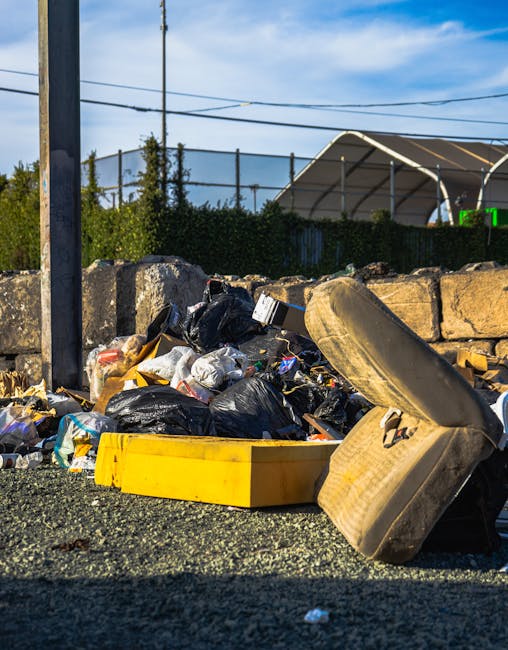
Green waste is often the bulk of a clearance, but it is rarely the whole story. Branches, hedge trimmings and grass cuttings can be straightforward to remove, yet they are often accompanied by more awkward objects such as old sleepers, garden edging, soil-filled containers or damaged outdoor furniture. We handle these items as part of one organised clearance rather than asking you to sort every piece into separate jobs. That makes the service more practical when the garden has built up several different kinds of waste at once.
Some customers need help after weather damage or a long period of neglect, while others simply want to reclaim a patio, lawn or side return. In those cases, the priority is to remove what no longer serves the space without disturbing what still has value. We pay attention to access routes, gate widths and the placement of heavier items so the work can be completed sensibly. Careful handling matters, especially where delicate surfaces, planted areas or fixed structures sit close to the waste.
For outdoor jobs that include broken timber, leftover building debris or refurbishment waste, the builders waste clearance page may also be relevant. If the clearance includes old outdoor furniture or items from a garage or shed, the related furniture clearance and garage clearance services can help you understand the broader range of waste types we deal with. Ask for a quotation when you are ready to outline the materials involved.
Preparing the space for a straightforward clearance
Preparation does not need to be complicated, but it does help to be clear about access and the main items to remove. If gates are locked, side passages are narrow or waste is spread across several corners of the garden, mentioning that in advance can save time on the day. It also helps to point out anything that should remain in place, such as tools, plants, decorative pieces or items being kept for reuse. That level of clarity supports a more accurate plan for the work.
When a garden has been left untidy for a while, it can be useful to think in stages rather than trying to solve everything at once. A first pass may focus on clear waste, bulky items and trip hazards; a later stage may deal with the finer material once access has improved. We can work in that order where appropriate, because it often makes the job easier to manage and produces a tidier result. The aim is to leave the space ready for mowing, replanting or further maintenance.
To discuss the scope, use the main contact page if you already know what needs taking away, or check pricing and quotes if you want to understand the factors that influence a quotation. A short list of the main items, plus any access notes, is usually enough to begin. If you have that to hand, you can request a quotation with confidence.
Why organised disposal matters

Removing garden waste is only one part of the job; the other part is ensuring it is transferred and handled properly afterwards. A tidy load is easier to manage, but the same is true of the paperwork and sorting behind it. For customers, the practical benefit is simple: the garden is cleared, and the waste leaves with a clear route for onward handling. That is especially helpful when the clearance contains a mix of green material, broken household items and outdoor debris.
In a domestic setting, there may be a temptation to leave awkward items in a corner “for laterâ€, yet that often just delays the real work. Clear removal gives you a clean starting point for landscaping, storage, planting or simple day-to-day use. It can also expose issues that were hidden before, such as damaged paving, rotting timber or drainage concerns, which is why many people prefer to clear the space before deciding on the next step. A cleaner garden is not just neater; it is easier to assess.
If you want to compare related support, our home clearance page may be useful when outdoor work forms part of a larger domestic project. For customers who want to know more about how items are managed after collection, recycling and sustainability gives a broader overview. If you are gathering details for a quotation, keeping the list to the main waste types and approximate volume is usually the most helpful approach.
Garden clearance for larger domestic projects
Many garden clearances sit alongside other property tasks, especially during moves, refurbishments or probate-related work. In those situations, outside spaces often become the final area to organise after the more obvious interior rooms have been dealt with. We can support that kind of work by clearing the garden in a way that fits the wider schedule, so the exterior is not left as a separate problem. That can include removal of outdoor items left behind by previous occupiers or clutter that has built up over time.
Where a project includes items from inside the house as well as the garden, it may be more efficient to combine the work into one coordinated visit, provided the materials are suitable. Mixed domestic clearances sometimes include furniture, appliances, shed contents and outdoor waste, but each type needs sensible handling. The important point is not to force everything into one category, but to organise the work so the right items are removed in a tidy and traceable way. That keeps the job practical and avoids unnecessary duplication.
For those larger clear-outs, the house clearance and flat clearance pages can help if you are planning both indoor and outdoor work. If the outdoor items are mostly old furniture, the furniture disposal page is another useful reference. When you are ready, a brief quotation request with the main areas to be cleared is enough to begin.
Areas we can clear around the property

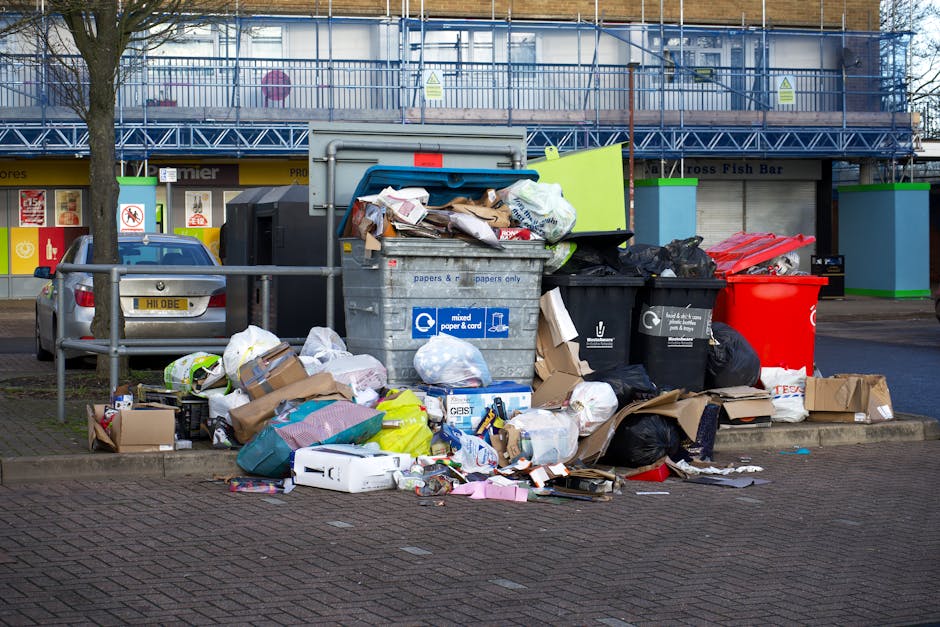
Gardens often have more than one clearance zone, and each area can present different challenges. Front paths may hold bags and broken pots, side passages can be cluttered with timber or stored items, while rear gardens may contain heavier green waste and larger outdoor objects. We approach the property as a set of practical spaces rather than as one undivided pile, which helps us remove the right things in the right order. It is a simple method, but it makes the work more manageable.
Other common areas include sheds, garages, patios and paved corners where items tend to gather because they are easy to leave there and hard to move later. A good clearance takes account of how those spaces connect, since narrow routes and uneven surfaces can affect how materials are carried out. If a space needs to stay usable during the work, that can be considered too. The key is to avoid turning a tidy-up into a disruption, especially when the property still needs regular access.
Useful related pages include and garage clearance, although only the eligible destination will be used where it is available; in this case, garage clearance is the relevant option. For broader domestic waste management, home clearance and waste removal remain the best general references. If you need a price, send the basic details and ask for a quotation in plain terms.
What affects the quotation
Quotation work is usually shaped by volume, material type, access and handling difficulty. A small pile of light clippings is very different from a garden full of wet branches, broken timber and heavy containers. Clearances that involve carrying waste through a narrow side return or down several steps may also need a little more planning. We therefore look at the practical details rather than treating every garden as the same. That is the fairest way to build a quote that matches the work involved.
It is also worth noting that mixed waste may take more sorting than pure green waste, especially if there are items that need separating for appropriate onward handling. The size of the load matters, but so does the shape and weight of each item. Where possible, describing the main materials in ordinary language is enough. A short note about branches, soil, bags, broken furniture or shed contents is usually more helpful than trying to estimate every individual piece. Simple, accurate details are the best starting point.
To move things forward, you can review pricing and quotes for the wider approach to quotations, then use the contact page when you are ready to request one. If your garden is part of a bigger job, it may also help to look at builders waste clearance or business waste removal depending on the sort of material involved. Plainly stated details keep the process efficient.
About Kingston
Kingston upon Thames, usually shortened to Kingston, is a historic town on the River Thames in southwest London. It developed as an important crossing point and market settlement, and its long association with the river remains part of its character today. The town centre combines older streets with modern retail and civic buildings, while the wider area includes residential neighbourhoods, riverside paths and green spaces that give the place a varied urban landscape. Kingston’s history is often linked with early English monarchy, and the town has preserved that connection through local heritage sites and public references to its past. One of the best-known landmarks is the Ancient Market Place, which reflects the town’s continuing commercial life and its role as a civic centre. The area also includes notable architecture from different periods, from older church buildings to twentieth-century redevelopment and contemporary riverside projects. Canbury Gardens, along the Thames, provides open space close to the centre, while Richmond Park lies nearby as one of London’s major historic parks. Kingston also has a strong cultural presence through its theatres, libraries, university life and riverside leisure areas, which together make it more than a shopping destination or commuter centre. The borough’s mix of heritage, waterways, public spaces and busy streets gives the town a distinct identity within Greater London.
Useful options for different kinds of clear-out
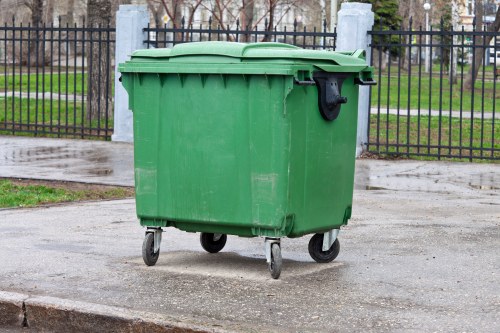
Garden clearance can be a standalone job, but it often sits alongside other forms of removal when a property needs a broader tidy-up. That is why it helps to think about the waste itself rather than just the location. If the main issue is outdoor clutter, the garden service is the most direct route. If the items are household furniture left outside, or if the work stretches into storage areas and outbuildings, related clearance pages may offer a better fit. Matching the service to the material keeps the job clearer for everyone involved.
The practical question is usually whether the job is mostly green waste, mostly household items or a mixture of both. Once that is established, it becomes easier to choose the most suitable route. We can help with green cuttings, heavier outdoor waste and mixed domestic items where appropriate, while keeping the work focused on the agreed scope. If you need to talk it through, a brief description of the area and the material is enough to begin. From there, we can guide the quotation request without making the process cumbersome.
Garden clearance remains the best place to start for a direct quotation request, especially if the outside space is the main priority. For adjoining work, garage clearance, loft clearance and office clearance are available where relevant to the wider project. Please ask for a quotation when you are ready and we will look at the details you provide.